
BAC Water 10ml: The Essential Guide for Safe Reconstitution

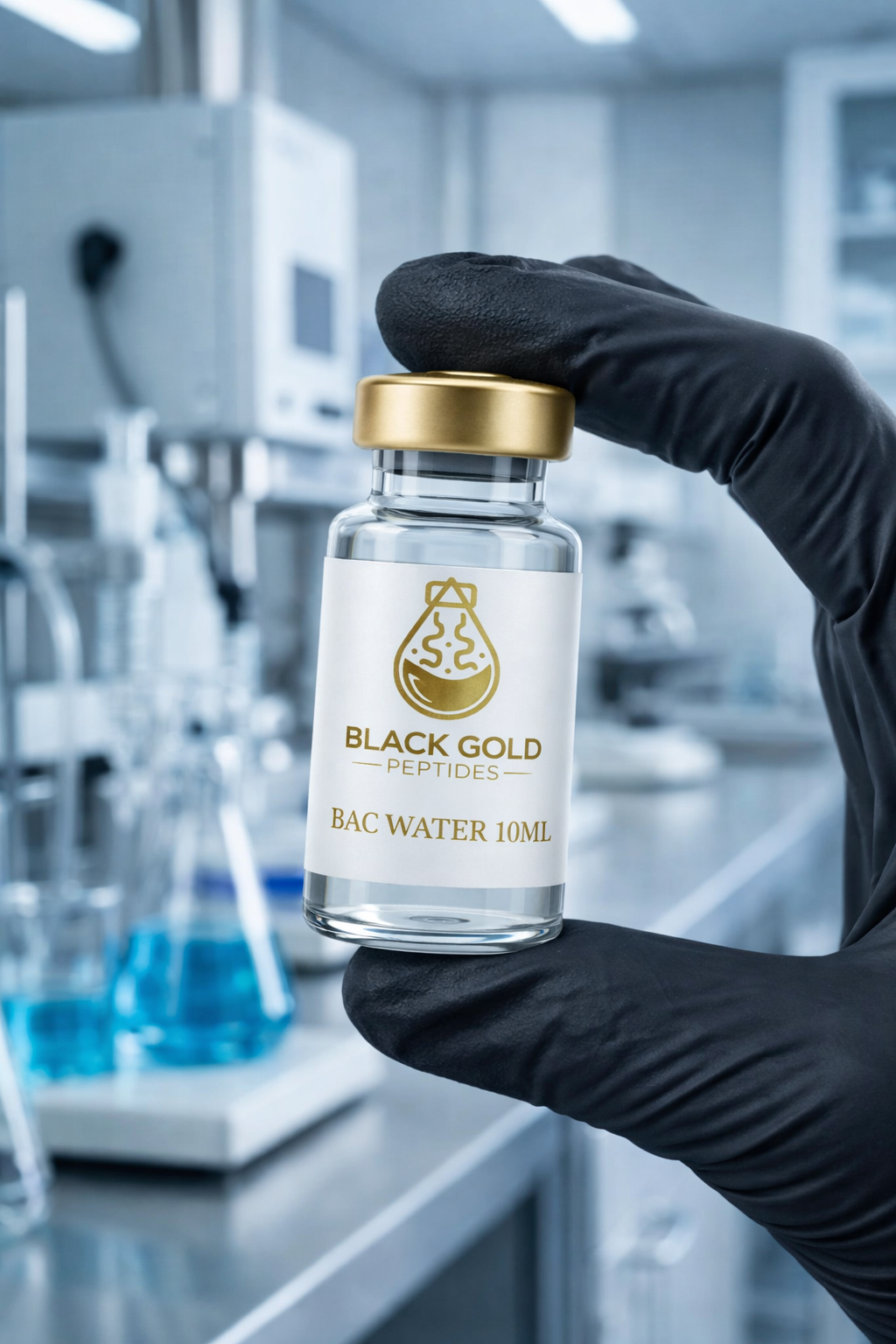
If you handle delicate research peptides or manage daily injections, choosing the right mixing liquid is vital. BAC Water 10ml (Bacteriostatic Water) acts as the industry standard for dissolving medications safely. Unlike sterile water, which users must discard after one use, BAC water offers unique benefits. Therefore, it remains a staple in both medical and research settings.
In this guide, we will explore everything about BAC Water 10ml, including its ingredients, safety rules, and proper storage methods.
What is BAC Water 10ml?
BAC Water 10ml is a specific type of sterile water for injection. Manufacturers add 0.9% benzyl alcohol preservative to the mixture. This alcohol acts as a bacteriostatic agent, which actively stops bacterial growth. Consequently, this unique formula allows you to withdraw from the same multi-dose vial repeatedly for up to 28 days. This process keeps the solution safe from contamination.
Why Choose Bacteriostatic Over Sterile Water?
Many people confuse sterile water with bacteriostatic water. However, the difference is huge. The comparison of sterile water vs bacteriostatic water comes down to time:
- Sterile Water: This liquid contains no preservatives. Therefore, once you open a vial, you must use it instantly and throw it away to stop bacteria.
- Bacteriostatic Water: The benzyl alcohol preservative keeps the water safe for repeated withdrawals. As a result, it is cheaper and easier for ongoing needs.
Common Uses for BAC Water
People primarily use BAC Water 10ml to reconstitute peptides and other powdered medications. Vendors often sell compounds, such as HCG or research peptides, as lyophilized powder (freeze-dried) to keep them stable. To use them, you must mix them with a liquid solvent.
1. Reconstituting Peptides
When you mix peptides, you need a sterile and preserved solvent. Peptide reconstitution with bacteriostatic water ensures your solution stays clean during storage. This step is key for compounds like TB-500, BPC-157, or Melanotan, which users often dose over several weeks.
2. Intramuscular and Subcutaneous Injections
Experts design BAC Water 10ml for intramuscular injection and subcutaneous injection dilution. It provides a safe way to deliver drugs into the body. Note: It remains a diluent for medications only; never inject it alone without a drug mixed in.
Safety and Handling Instructions
While bacteriostatic water is safe for most adults, you must handle it correctly to meet USP standards.
- Check the Seal: First, ensure the flip-off cap on the glass vial is tight before you start.
- Clean the Stopper: Always wipe the rubber stopper with an alcohol pad before you insert a syringe.
- Monitor Shelf Life: Once you puncture the vial, the 28-day shelf life begins. Afterward, throw away any leftover liquid.
- Avoid Neonates: Because of the benzyl alcohol, this product is not for use in neonates (newborns). It can cause serious health issues in infants.
How to Store BAC Water 10ml
You must follow proper storage conditions to keep your water fresh. Keep unopened vials at a controlled room temperature (20°C to 25°C). However, once you use the water to dissolve a drug, follow the rules for that specific medication. Often, reconstituted peptides need cold storage to stop decay.
Where to Buy High-Quality BAC Water
When you want to buy bacteriostatic water, purity matters most. Make sure you buy from a trusted medical supply store. Look for items that meet USP specifications and show clear dates. Whether you need one bottle or a 10ml vial pack, quality checks help you avoid an injection site reaction.
Conclusion
Using BAC Water 10ml correctly ensures your research projects and medications stay safe. Its power to stop germs makes it the best choice for multi-dose needs. Furthermore, always use aseptic technique, watch the dates, and ask a doctor about HCG mixing ratios.